


Can plastic mold processing, with its high precision and rapid response, become a crucial bridge between product concept and mass production?
Release Time : 2026-01-27
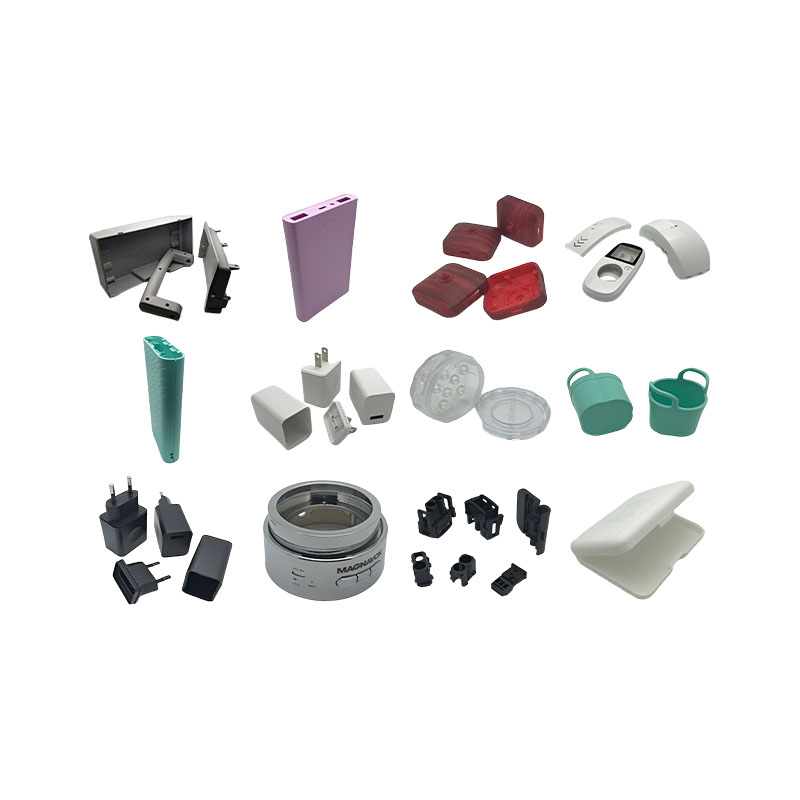
In the modern manufacturing chain, a product's creation often begins with a blueprint or an idea. Transforming this into a mass-producible entity relies heavily on the core link of plastic mold processing. As the hub connecting design and manufacturing, molds are not only the shape setters but also decisive factors in quality, efficiency, and cost. Today, leveraging advanced equipment, digital processes, and flexible customization capabilities, plastic mold processing can rapidly output high-precision, high-reliability molding solutions based on customer-provided concepts or engineering drawings, providing robust support for numerous industries such as electronics, automotive, medical, home appliances, and daily necessities.
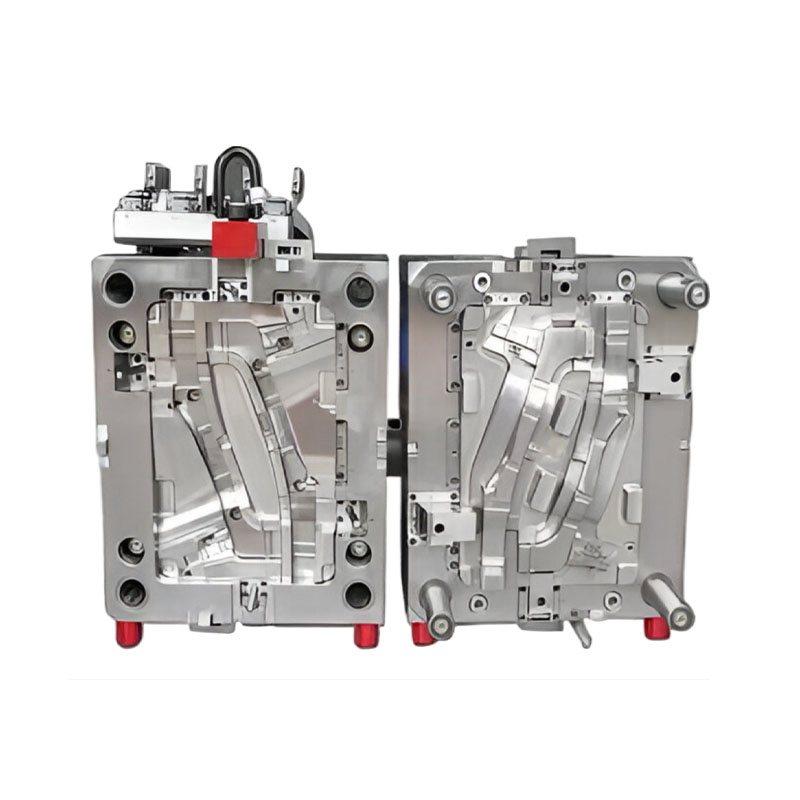
Its core value lies first and foremost in its ability to accurately reproduce design intent. High-quality mold processing plants, through 3D modeling, mold flow analysis, and structural optimization, can predict key parameters such as filling, cooling, and shrinkage before mold opening, proactively avoiding potential defects such as shrinkage, warpage, and weld lines. Whether it's a complex curved shell, a precision structural component with sliders and angled tops, or an optical lens with micron-level tolerances, steel or aluminum can be sculpted into a "master template" highly matching product requirements through CNC precision machining, EDM, and wire EDM. This seamless transition from virtual to reality ensures that the first prototype is close to mass production, significantly shortening the development cycle.
In terms of response speed, the flexible manufacturing system significantly improves delivery efficiency. Thanks to standardized databases, modular design libraries, and automated programming systems, engineers can quickly develop processing plans upon receiving drawings, simultaneously preparing materials and scheduling processes. Multiple high-speed machining centers work collaboratively, coupled with online inspection and rapid mold trial processes, compressing mold development, which originally took weeks, into an extremely short cycle. This capability of being "fast but not chaotic, accurate but not slow" is particularly well-suited to the current market demand for small-batch, multi-variety, and rapidly iterating products.
A deeper significance lies in the optimization of the entire product lifecycle cost. High-precision molds not only ensure product consistency and reduce scrap rates, but their excellent venting, cooling, and ejection designs also extend service life and reduce the per-unit cost. Simultaneously, a rational gate layout and runner system reduce material waste and improve material utilization. For customers, a good mold is not only a production tool but also a long-term profitable asset.
Furthermore, upgraded service models make professional capabilities readily available. From initial DFM (Design for Manufacturability) advice to mold maintenance and refurbishment support, one-stop service covers the entire product lifecycle. Transparent pricing, efficient communication, and comprehensive technical support enable SMEs to enjoy mold resources originally reserved for large manufacturers. This open and collaborative approach accelerates the pace of innovation from the laboratory to the market.
Ultimately, the value of plastic mold processing lies not in the roar of machine tools, but in how it steadily lifts an idea into millions of reliable products. When the casing of a smart wearable device is as smooth as a mirror, when a medical catheter is sized with millimeter precision, behind it lies the mold, with its steel body and craftsmanship, silently bearing the precision and warmth of industrial civilization. Because in the world of manufacturing, true mass production is not simply about copying, but about making each molding process as precise as the first time—silent as steel, yet capable of giving birth to countless possibilities.
Its core value lies first and foremost in its ability to accurately reproduce design intent. High-quality mold processing plants, through 3D modeling, mold flow analysis, and structural optimization, can predict key parameters such as filling, cooling, and shrinkage before mold opening, proactively avoiding potential defects such as shrinkage, warpage, and weld lines. Whether it's a complex curved shell, a precision structural component with sliders and angled tops, or an optical lens with micron-level tolerances, steel or aluminum can be sculpted into a "master template" highly matching product requirements through CNC precision machining, EDM, and wire EDM. This seamless transition from virtual to reality ensures that the first prototype is close to mass production, significantly shortening the development cycle.
In terms of response speed, the flexible manufacturing system significantly improves delivery efficiency. Thanks to standardized databases, modular design libraries, and automated programming systems, engineers can quickly develop processing plans upon receiving drawings, simultaneously preparing materials and scheduling processes. Multiple high-speed machining centers work collaboratively, coupled with online inspection and rapid mold trial processes, compressing mold development, which originally took weeks, into an extremely short cycle. This capability of being "fast but not chaotic, accurate but not slow" is particularly well-suited to the current market demand for small-batch, multi-variety, and rapidly iterating products.
A deeper significance lies in the optimization of the entire product lifecycle cost. High-precision molds not only ensure product consistency and reduce scrap rates, but their excellent venting, cooling, and ejection designs also extend service life and reduce the per-unit cost. Simultaneously, a rational gate layout and runner system reduce material waste and improve material utilization. For customers, a good mold is not only a production tool but also a long-term profitable asset.
Furthermore, upgraded service models make professional capabilities readily available. From initial DFM (Design for Manufacturability) advice to mold maintenance and refurbishment support, one-stop service covers the entire product lifecycle. Transparent pricing, efficient communication, and comprehensive technical support enable SMEs to enjoy mold resources originally reserved for large manufacturers. This open and collaborative approach accelerates the pace of innovation from the laboratory to the market.
Ultimately, the value of plastic mold processing lies not in the roar of machine tools, but in how it steadily lifts an idea into millions of reliable products. When the casing of a smart wearable device is as smooth as a mirror, when a medical catheter is sized with millimeter precision, behind it lies the mold, with its steel body and craftsmanship, silently bearing the precision and warmth of industrial civilization. Because in the world of manufacturing, true mass production is not simply about copying, but about making each molding process as precise as the first time—silent as steel, yet capable of giving birth to countless possibilities.