


How does plastic injection molding precisely and efficiently shape the myriad forms of modern industry?
Release Time : 2026-01-28
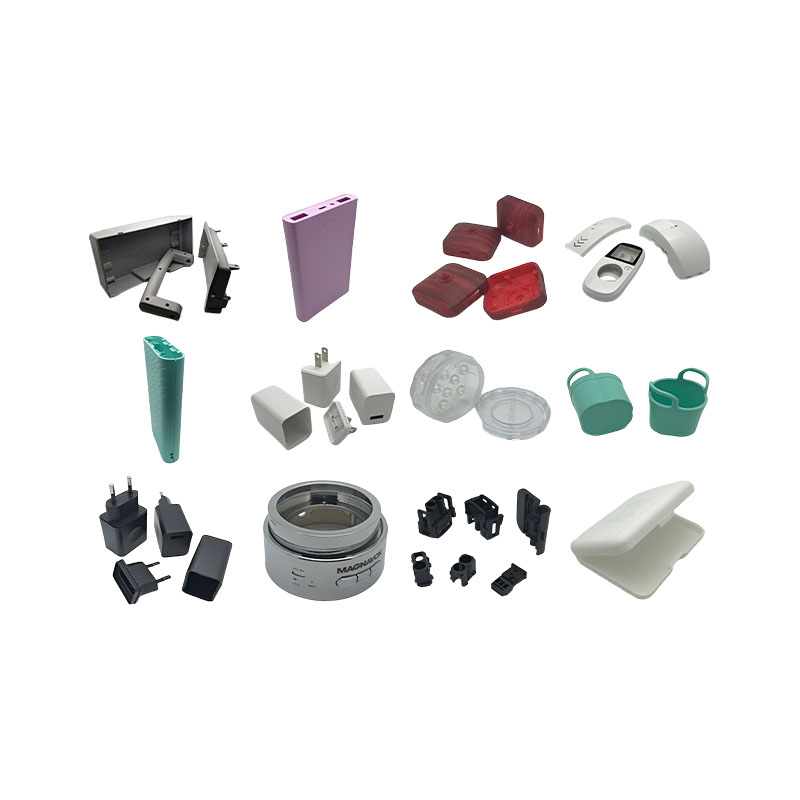
In every corner of daily life—from mobile phone casings and appliance buttons to automotive interiors and medical devices—countless plastic products quietly serve human needs with highly consistent quality and exquisite details. The core process supporting this vast manufacturing system is plastic injection molding. As a mature and advanced mass production technology, it has become the cornerstone of manufacturing across multiple industries, including electronics, automotive, medical, home furnishings, and packaging, thanks to its high precision, high efficiency, and excellent surface quality, steadily transforming design blueprints into tangible, real products.
The basic principle of plastic injection molding is to heat and melt granular or powdered thermoplastic plastic, then inject it under high pressure into a closed metal mold cavity. After cooling and solidification, the mold is opened and the product is ejected, yielding the desired shape. The entire process is completed in a fully enclosed system, with short cycle times and high repeatability, making it particularly suitable for large-scale continuous production. Thanks to the precise control of modern injection molding machines, each injection maintains a high degree of consistency in material temperature, pressure, and speed, ensuring that thousands of products are virtually identical.
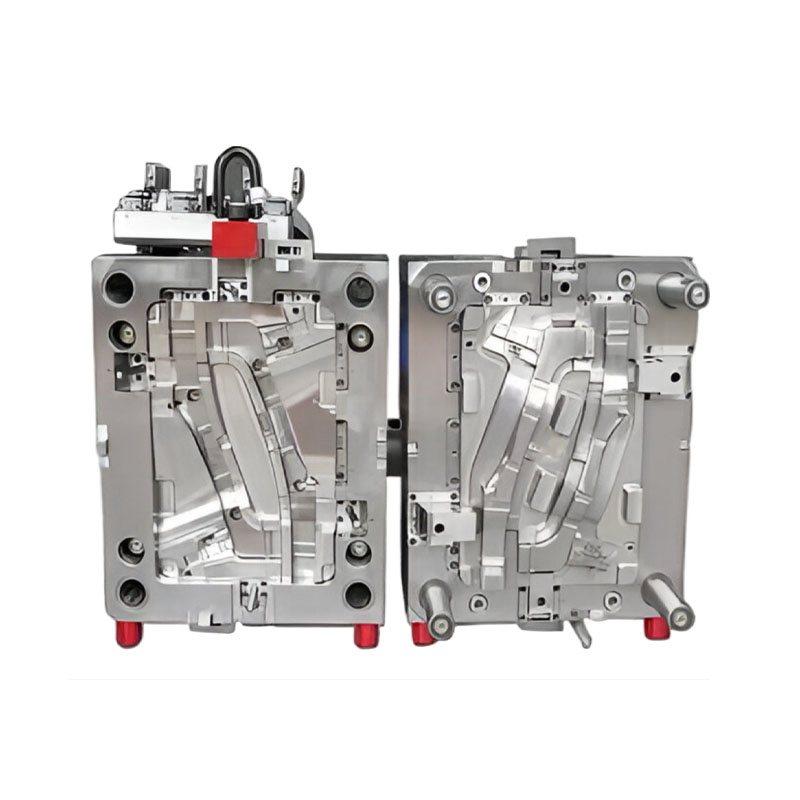
One of its core advantages lies in its superior dimensional accuracy and surface finish. The molds are made of high-hardness alloy steel through CNC machining and mirror polishing, precisely replicating design details in the cavity contours. Whether it's micron-level textures, fine logo embossing, or complex curved surface transitions, everything is clearly presented. The finished product has a smooth and flat surface, free of scratches, burrs, and protrusions. It typically requires no further grinding or painting and can be directly assembled and used, significantly reducing post-processing costs and improving overall production efficiency.
Wide material adaptability is another major feature of injection molding. From general-purpose polypropylene (PP) and polyethylene (PE), to engineering plastics such as ABS, PC, and PA (nylon), and high-performance specialty materials such as PEEK and LCP, stable molding can be achieved by adjusting process parameters. By adding functional additives such as color masterbatches, glass fiber, and flame retardants, specific colors, strengths, heat resistance, or electrical properties can be imparted to the products, meeting the stringent requirements of diverse application scenarios.
In terms of cost control, injection molding exhibits significant economies of scale. While initial investment in mold development is high, once mass production begins, the cost per unit rapidly decreases with increasing quantity. Automated production lines enable unmanned operation throughout the entire process, from raw material drying and injection molding to part removal, inspection, and even packaging, reducing human intervention and improving yield. This "one-step molding, mass delivery" model makes it highly competitive in price, particularly suitable for the rapid iteration and global supply of consumer products.
Design freedom is equally remarkable. Injection molding supports the one-piece molding of complex geometries, such as snap-fits, threads, reinforcing ribs, and inserts, reducing the number of parts and assembly steps. Designers can boldly innovate forms without sacrificing functionality, driving products towards lighter, thinner, and more integrated designs. Simultaneously, the application of multi-cavity molds and stacked mold technologies further enhances output per unit time.
Environmental protection and sustainability are increasingly integrated into all aspects of injection molding manufacturing. The widespread use of recycled plastics, closed-loop recycling of sprue materials, the prevalence of energy-efficient servo injection molding machines, and the selection of low-volatile materials are all reducing the industry's environmental impact. Some companies are further reducing resource waste and practicing green manufacturing concepts by extending mold life and optimizing processes.
Plastic injection molding is not only a manufacturing technology, but also a bridge connecting creativity and reality. With its silent yet powerful industrial capabilities, it transforms engineers' blueprints, designers' inspirations, and users' expectations into reliable, aesthetically pleasing, and readily available products. In this microscopic journey from melting to solidification, each mold opening is a silent promise of precision, efficiency, and quality.
The basic principle of plastic injection molding is to heat and melt granular or powdered thermoplastic plastic, then inject it under high pressure into a closed metal mold cavity. After cooling and solidification, the mold is opened and the product is ejected, yielding the desired shape. The entire process is completed in a fully enclosed system, with short cycle times and high repeatability, making it particularly suitable for large-scale continuous production. Thanks to the precise control of modern injection molding machines, each injection maintains a high degree of consistency in material temperature, pressure, and speed, ensuring that thousands of products are virtually identical.
One of its core advantages lies in its superior dimensional accuracy and surface finish. The molds are made of high-hardness alloy steel through CNC machining and mirror polishing, precisely replicating design details in the cavity contours. Whether it's micron-level textures, fine logo embossing, or complex curved surface transitions, everything is clearly presented. The finished product has a smooth and flat surface, free of scratches, burrs, and protrusions. It typically requires no further grinding or painting and can be directly assembled and used, significantly reducing post-processing costs and improving overall production efficiency.
Wide material adaptability is another major feature of injection molding. From general-purpose polypropylene (PP) and polyethylene (PE), to engineering plastics such as ABS, PC, and PA (nylon), and high-performance specialty materials such as PEEK and LCP, stable molding can be achieved by adjusting process parameters. By adding functional additives such as color masterbatches, glass fiber, and flame retardants, specific colors, strengths, heat resistance, or electrical properties can be imparted to the products, meeting the stringent requirements of diverse application scenarios.
In terms of cost control, injection molding exhibits significant economies of scale. While initial investment in mold development is high, once mass production begins, the cost per unit rapidly decreases with increasing quantity. Automated production lines enable unmanned operation throughout the entire process, from raw material drying and injection molding to part removal, inspection, and even packaging, reducing human intervention and improving yield. This "one-step molding, mass delivery" model makes it highly competitive in price, particularly suitable for the rapid iteration and global supply of consumer products.
Design freedom is equally remarkable. Injection molding supports the one-piece molding of complex geometries, such as snap-fits, threads, reinforcing ribs, and inserts, reducing the number of parts and assembly steps. Designers can boldly innovate forms without sacrificing functionality, driving products towards lighter, thinner, and more integrated designs. Simultaneously, the application of multi-cavity molds and stacked mold technologies further enhances output per unit time.
Environmental protection and sustainability are increasingly integrated into all aspects of injection molding manufacturing. The widespread use of recycled plastics, closed-loop recycling of sprue materials, the prevalence of energy-efficient servo injection molding machines, and the selection of low-volatile materials are all reducing the industry's environmental impact. Some companies are further reducing resource waste and practicing green manufacturing concepts by extending mold life and optimizing processes.
Plastic injection molding is not only a manufacturing technology, but also a bridge connecting creativity and reality. With its silent yet powerful industrial capabilities, it transforms engineers' blueprints, designers' inspirations, and users' expectations into reliable, aesthetically pleasing, and readily available products. In this microscopic journey from melting to solidification, each mold opening is a silent promise of precision, efficiency, and quality.