


What advantages does quick mold change offer in plastic injection molding to improve overall production efficiency?
Release Time : 2026-01-07
In today's highly competitive manufacturing environment, customers are increasingly demanding diversified products, small batches, and fast delivery, placing higher requirements on plastic injection molding companies. In traditional injection molding production, mold changes are often time-consuming—from disassembling the old mold, cleaning the machine, installing the new mold, to parameter adjustments, it can easily take several hours, severely restricting equipment utilization and order response speed. However, with the in-depth application of the "quick mold change" concept and technology, modern injection molding has achieved a qualitative leap in the mold change process, significantly improving overall production efficiency.
1. Standardized interfaces greatly shorten mechanical clamping time
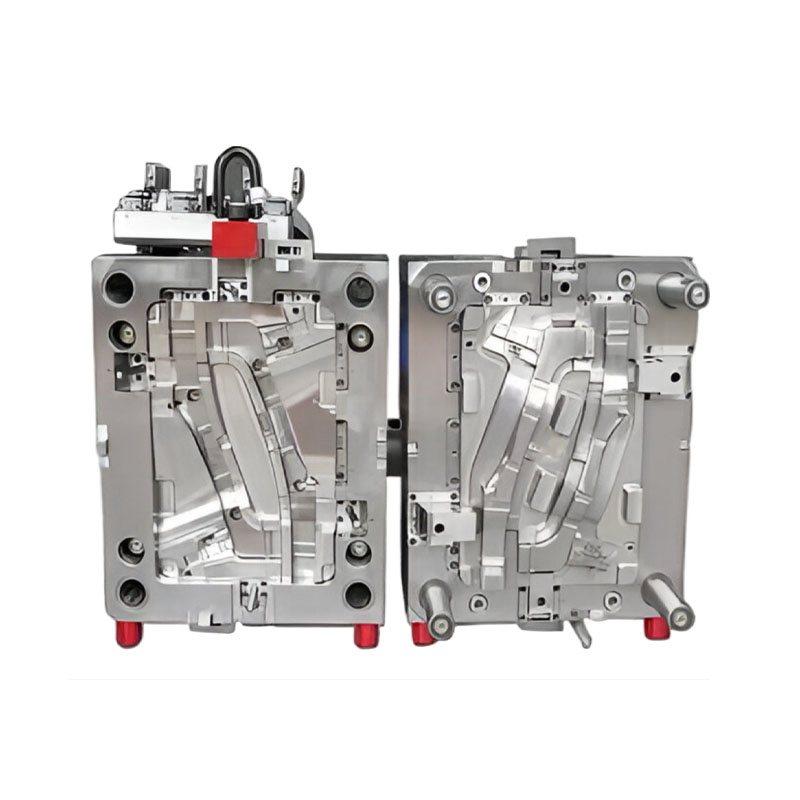
Modern injection molding machines are generally equipped with standardized mold positioning and locking systems, such as hydraulic clamps, magnetic templates, or quick-change pressure plates. These systems eliminate the traditional method of tightening bolts one by one with a wrench, completing mold fixing or release within tens of seconds through one-button hydraulic or pneumatic control. Meanwhile, the mold itself adopts standardized lifting holes, positioning keyways, and cooling water/hot runner interfaces, making lifting, alignment, and connection operations efficient and less prone to errors, reducing the mechanical clamping time from over 30 minutes to less than 5 minutes.
2. Rapid Integration of Hot Runner and Temperature Control Systems
High-end injection molds often integrate hot runner systems, and the accuracy of their temperature control directly affects product quality. Previously, each mold change required rewiring and temperature control recalibration, which was time-consuming and labor-intensive. Now, using modular hot runner temperature control units and quick-connect electrical/pneumatic/hydraulic connectors, all energy and signal connections can be automatically completed as the mold is pushed into the injection molding machine. The temperature control system can also memorize preset parameters for different molds, achieving "plug and play," avoiding repeated debugging and greatly shortening process preparation time.
3. Digital Assistance Achieves "Zero Mold Trial"
Using mold information chips or QR codes, the injection molding machine control system can automatically identify the currently installed mold model and retrieve the corresponding process parameter package—including injection speed, holding pressure, cooling time, and mold opening/closing stroke. With intelligent sensing and closed-loop control, equipment can approach optimal performance on its first run, significantly reducing the number of trial moldings. Some advanced factories even achieve "first-piece-per-good," truly moving towards "zero-debugging" mold changeovers and minimizing process changeover time.
4. Parallel Operations Optimize Mold Changeover Processes
Rapid mold changeovers not only rely on hardware upgrades but also emphasize process reengineering. Using the SMED method, the mold changeover process is divided into "internal operations" and "external operations." For example, preheating of the new mold, parts inspection, and preparation of process documents can all be completed before the old mold's production ends. When the injection molding machine stops, only necessary installation and calibration actions are performed; the rest of the work has already been pre-processed. This parallel operation mode significantly reduces the overall mold changeover time.
5. Flexible Production Lines Support Efficient Switching Between Multiple Product Varieties
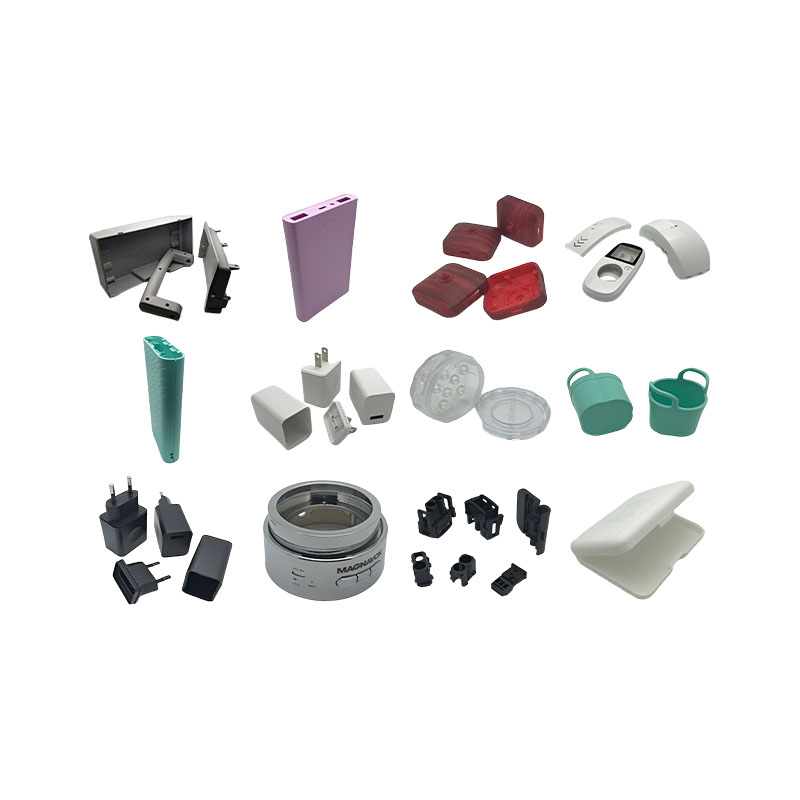
In industries such as automotive, electronics, and medical, dozens of products often need to be frequently switched within the same injection molding workshop. Rapid mold changeover capabilities enable companies to build highly flexible production lines and flexibly respond to order fluctuations. With the integration of automated warehousing and AGV logistics systems, molds can be automatically delivered to designated machines according to plan, further reducing manual intervention and waiting time. This "small batch, fast turnaround" production model significantly improves overall equipment efficiency and customer satisfaction.
Plastic injection molding is a key technology for enhancing core competitiveness. Through multi-dimensional collaboration of standardization, automation, digitalization, and process optimization, it transforms traditional "bottlenecks" into efficiency "engines."
1. Standardized interfaces greatly shorten mechanical clamping time
Modern injection molding machines are generally equipped with standardized mold positioning and locking systems, such as hydraulic clamps, magnetic templates, or quick-change pressure plates. These systems eliminate the traditional method of tightening bolts one by one with a wrench, completing mold fixing or release within tens of seconds through one-button hydraulic or pneumatic control. Meanwhile, the mold itself adopts standardized lifting holes, positioning keyways, and cooling water/hot runner interfaces, making lifting, alignment, and connection operations efficient and less prone to errors, reducing the mechanical clamping time from over 30 minutes to less than 5 minutes.
2. Rapid Integration of Hot Runner and Temperature Control Systems
High-end injection molds often integrate hot runner systems, and the accuracy of their temperature control directly affects product quality. Previously, each mold change required rewiring and temperature control recalibration, which was time-consuming and labor-intensive. Now, using modular hot runner temperature control units and quick-connect electrical/pneumatic/hydraulic connectors, all energy and signal connections can be automatically completed as the mold is pushed into the injection molding machine. The temperature control system can also memorize preset parameters for different molds, achieving "plug and play," avoiding repeated debugging and greatly shortening process preparation time.
3. Digital Assistance Achieves "Zero Mold Trial"
Using mold information chips or QR codes, the injection molding machine control system can automatically identify the currently installed mold model and retrieve the corresponding process parameter package—including injection speed, holding pressure, cooling time, and mold opening/closing stroke. With intelligent sensing and closed-loop control, equipment can approach optimal performance on its first run, significantly reducing the number of trial moldings. Some advanced factories even achieve "first-piece-per-good," truly moving towards "zero-debugging" mold changeovers and minimizing process changeover time.
4. Parallel Operations Optimize Mold Changeover Processes
Rapid mold changeovers not only rely on hardware upgrades but also emphasize process reengineering. Using the SMED method, the mold changeover process is divided into "internal operations" and "external operations." For example, preheating of the new mold, parts inspection, and preparation of process documents can all be completed before the old mold's production ends. When the injection molding machine stops, only necessary installation and calibration actions are performed; the rest of the work has already been pre-processed. This parallel operation mode significantly reduces the overall mold changeover time.
5. Flexible Production Lines Support Efficient Switching Between Multiple Product Varieties
In industries such as automotive, electronics, and medical, dozens of products often need to be frequently switched within the same injection molding workshop. Rapid mold changeover capabilities enable companies to build highly flexible production lines and flexibly respond to order fluctuations. With the integration of automated warehousing and AGV logistics systems, molds can be automatically delivered to designated machines according to plan, further reducing manual intervention and waiting time. This "small batch, fast turnaround" production model significantly improves overall equipment efficiency and customer satisfaction.
Plastic injection molding is a key technology for enhancing core competitiveness. Through multi-dimensional collaboration of standardization, automation, digitalization, and process optimization, it transforms traditional "bottlenecks" into efficiency "engines."