


Various Plastic Mold Processing: Meticulous Craftsmanship Creates a Model of Superior Quality
Release Time : 2026-01-08
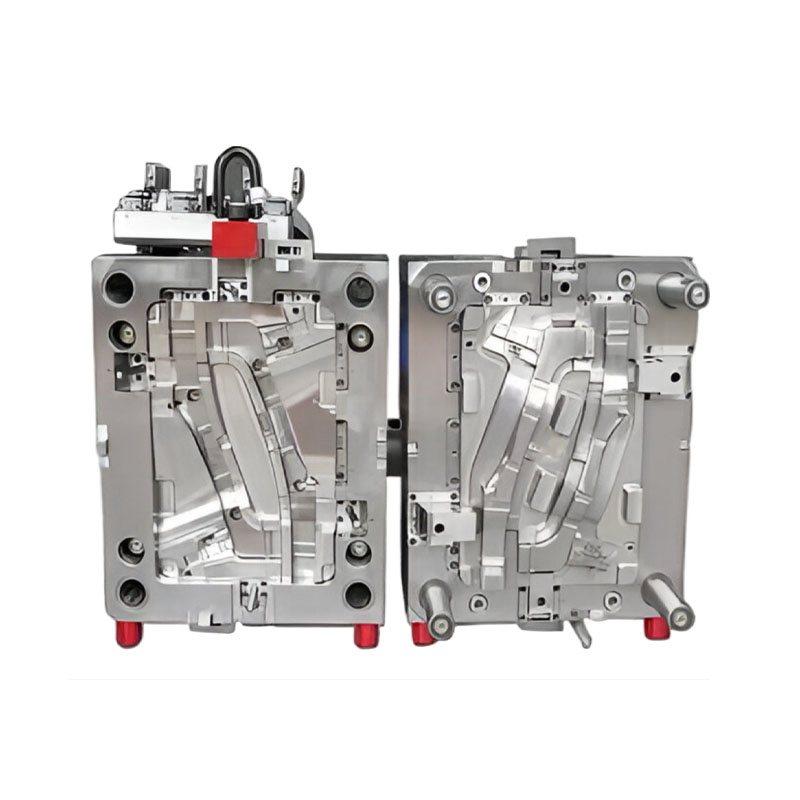
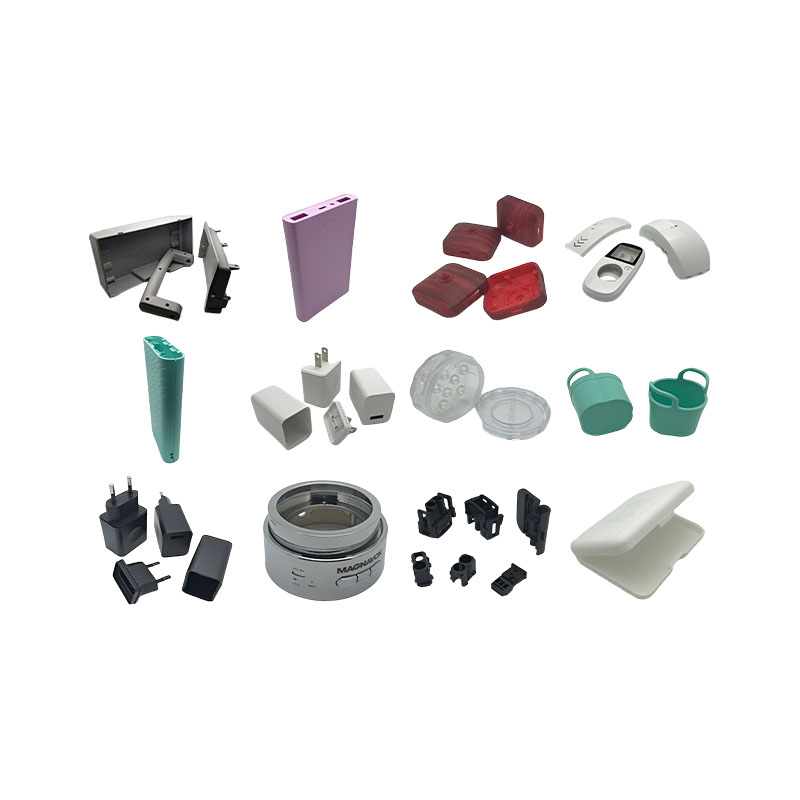
In modern manufacturing, plastic products are ubiquitous—from smartphone casings to automotive interiors, from medical equipment to home appliances, various plastic mold processing is essential. As a core component of the "mother of industry," the processing quality of plastic molds directly determines the precision, appearance, and lifespan of the final product. Truly high-quality plastic molds are not simply created through mold opening, but are the result of meticulous craftsmanship, rigorous processes, and advanced technology, creating a model of excellence.
1. High Precision is the Lifeline of Molds
The core value of plastic molds lies in their "replication" capability—one-time molding, thousands of identical pieces. This requires the mold itself to possess micron-level processing precision. Whether it's the cavity, core, or complex structures like sliders and ejector pins, any slight deviation can lead to product shrinkage, flash, deformation, or even failure to demold. During mold processing, high-precision equipment such as CNC precision machining, slow wire cutting, and mirror EDM are widely used to ensure that the tolerance of each dimension is controlled within ±0.005mm, laying a solid foundation for mass production.
2. Material Selection Determines Mold Life
A high-quality plastic mold not only requires high precision but also excellent wear resistance, corrosion resistance, and thermal stability. Commonly used mold steels such as S136, NAK80, and H13 require scientific selection based on the type of plastic, production volume, and operating temperature. For example, high-purity stainless steel is often used for transparent parts molds to ensure a mirror finish; while mass production tends to use pre-hardened steel or quenched steel to extend service life. Proper material matching is a prerequisite for the long-term stable operation of the mold.
3. Surface Treatment Enhances Product Texture
The surface gloss, texture, and even feel of plastic products are largely determined by the surface condition of the mold cavity. Therefore, polishing, etching, chrome plating, and PVD coating are often performed in the later stages of mold processing. These treatments make transparent parts crystal clear, while fine etching can give products unique leather, wood grain, or frosted effects. These processes not only enhance the aesthetic value of the product but also strengthen brand recognition.
4. Design and Manufacturing Collaborative Optimization
An excellent mold is not only "made," but also "designed." Modern mold development emphasizes the DFM (Design for Manufacturing) concept, with engineers involved from the early stages of product design. They conduct simulation analysis and optimization of aspects such as wall thickness uniformity, draft angle, and gate location, avoiding repeated modifications during later trial molding. Leveraging an integrated CAD/CAE/CAM platform, design and manufacturing are seamlessly integrated, significantly shortening the development cycle and increasing the success rate of first-time trial molding.
5. Attention to Detail Reflects Craftsmanship
In today's highly automated world, mold processing still relies on experienced technicians' meticulous attention to detail. For example, the depth of venting grooves needs to be accurate to 0.02mm to balance venting and overflow; the fit clearance of ejector pin holes must ensure smooth ejection while preventing overflow; and the layout of cooling channels directly affects molding efficiency and deformation control. These seemingly minor details are precisely what distinguish ordinary molds from high-end molds.
6. Intelligent Empowerment for Quality Upgrades
With the advancement of Industry 4.0, intelligent sensing, online monitoring, and digital twin technologies are being integrated into the entire mold manufacturing process. Some advanced enterprises have implemented functions such as real-time data acquisition during processing, tool wear early warning, and closed-loop control of hot runner temperature, ensuring that each process is completed under controlled conditions. This dual-engine model of "data-driven + human experience" makes mold quality more stable and reliable.
Various plastic mold processing is a comprehensive craft that integrates materials science, precision mechanics, thermodynamics, and artistic aesthetics. It requires the support of cutting-edge equipment and digital technology, as well as the craftsman's dedication and reverence for detail. It is this philosophy of "meticulous craftsmanship" that enables a small mold to bear the quality promise of millions of products, becoming an undisputed model of excellence in modern manufacturing.
1. High Precision is the Lifeline of Molds
The core value of plastic molds lies in their "replication" capability—one-time molding, thousands of identical pieces. This requires the mold itself to possess micron-level processing precision. Whether it's the cavity, core, or complex structures like sliders and ejector pins, any slight deviation can lead to product shrinkage, flash, deformation, or even failure to demold. During mold processing, high-precision equipment such as CNC precision machining, slow wire cutting, and mirror EDM are widely used to ensure that the tolerance of each dimension is controlled within ±0.005mm, laying a solid foundation for mass production.
2. Material Selection Determines Mold Life
A high-quality plastic mold not only requires high precision but also excellent wear resistance, corrosion resistance, and thermal stability. Commonly used mold steels such as S136, NAK80, and H13 require scientific selection based on the type of plastic, production volume, and operating temperature. For example, high-purity stainless steel is often used for transparent parts molds to ensure a mirror finish; while mass production tends to use pre-hardened steel or quenched steel to extend service life. Proper material matching is a prerequisite for the long-term stable operation of the mold.
3. Surface Treatment Enhances Product Texture
The surface gloss, texture, and even feel of plastic products are largely determined by the surface condition of the mold cavity. Therefore, polishing, etching, chrome plating, and PVD coating are often performed in the later stages of mold processing. These treatments make transparent parts crystal clear, while fine etching can give products unique leather, wood grain, or frosted effects. These processes not only enhance the aesthetic value of the product but also strengthen brand recognition.
4. Design and Manufacturing Collaborative Optimization
An excellent mold is not only "made," but also "designed." Modern mold development emphasizes the DFM (Design for Manufacturing) concept, with engineers involved from the early stages of product design. They conduct simulation analysis and optimization of aspects such as wall thickness uniformity, draft angle, and gate location, avoiding repeated modifications during later trial molding. Leveraging an integrated CAD/CAE/CAM platform, design and manufacturing are seamlessly integrated, significantly shortening the development cycle and increasing the success rate of first-time trial molding.
5. Attention to Detail Reflects Craftsmanship
In today's highly automated world, mold processing still relies on experienced technicians' meticulous attention to detail. For example, the depth of venting grooves needs to be accurate to 0.02mm to balance venting and overflow; the fit clearance of ejector pin holes must ensure smooth ejection while preventing overflow; and the layout of cooling channels directly affects molding efficiency and deformation control. These seemingly minor details are precisely what distinguish ordinary molds from high-end molds.
6. Intelligent Empowerment for Quality Upgrades
With the advancement of Industry 4.0, intelligent sensing, online monitoring, and digital twin technologies are being integrated into the entire mold manufacturing process. Some advanced enterprises have implemented functions such as real-time data acquisition during processing, tool wear early warning, and closed-loop control of hot runner temperature, ensuring that each process is completed under controlled conditions. This dual-engine model of "data-driven + human experience" makes mold quality more stable and reliable.
Various plastic mold processing is a comprehensive craft that integrates materials science, precision mechanics, thermodynamics, and artistic aesthetics. It requires the support of cutting-edge equipment and digital technology, as well as the craftsman's dedication and reverence for detail. It is this philosophy of "meticulous craftsmanship" that enables a small mold to bear the quality promise of millions of products, becoming an undisputed model of excellence in modern manufacturing.