


How can mold flow analysis be used to optimize the gating system design and reduce defects during the processing of various plastic molds?
Release Time : 2026-02-04
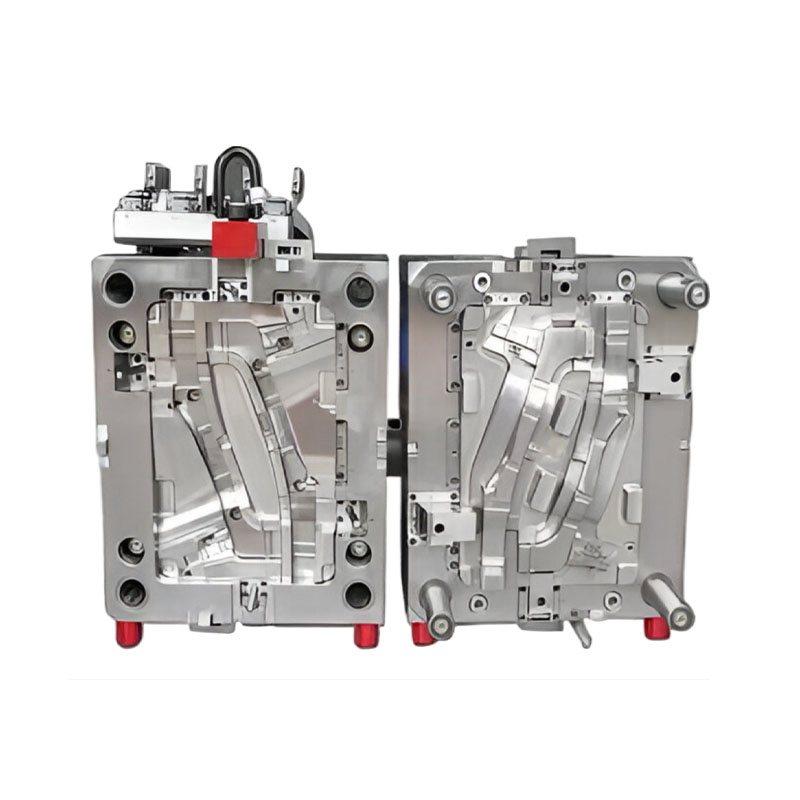
In various plastic mold processing, the design of the gating system has a crucial impact on the quality of the final product. Mold flow analysis technology allows for the scientific optimization of the gating system, reducing defects caused by improper design and improving production efficiency and yield.
Mold flow analysis uses computer simulation to model the flow of molten plastic within the mold, helping engineers predict potential defects such as incomplete filling, weld lines, air pockets, and warpage. In gating system design, the layout of the main runner and branch runners must first be determined. A reasonable layout should ensure that the melt can fill each cavity evenly and quickly, avoiding inconsistent product dimensions due to differences in flow paths. Through mold flow analysis, the flow state of the melt in the runners can be visually observed, identifying potential uneven filling problems, thereby allowing adjustments to the runner size and shape to achieve pressure and temperature balance.
Gate design is a key aspect of gating system optimization. The location, number, and size of the gates directly affect the melt flow efficiency and stress distribution of the product. Mold flow analysis can simulate melt filling under different gate designs, helping engineers select the optimal gate location and avoid weld lines on the product's surface or stress areas. For products with complex structures, mold flow analysis can also guide engineers to use multi-point gating, ensuring that the melt reaches all parts of the cavity simultaneously, reducing weld line strength issues caused by excessive flow distance.
In various plastic mold processing, the balance of the gating system is particularly important. Unbalanced gating systems can easily lead to inconsistent filling speeds in different cavities, resulting in product dimensional deviations or weight differences. Mold flow analysis can design pressure-balanced or temperature-balanced gating systems by adjusting the length, cross-sectional shape, and size of the runners, ensuring a uniform melt supply to each cavity. Furthermore, mold flow analysis can help engineers optimize the design of cold slug wells to prevent cold slug from entering the cavity and affecting the product's surface quality.
The design of the cooling system plays a crucial role in reducing product warpage and shrinkage defects. Mold flow analysis simulates the temperature distribution of a mold during injection molding, helping engineers to rationally arrange cooling channels and ensure consistent cooling efficiency across all areas of the mold. For complex curved surfaces or thin-walled products, mold flow analysis can also guide engineers in designing conformal cooling channels that fit tightly against the cavity surface, reducing warpage caused by uneven cooling. By optimizing the cooling system, product cooling time can be significantly shortened, improving production efficiency.
Mold flow analysis also helps engineers optimize injection molding process parameters, such as injection pressure, injection speed, holding pressure, and holding time. By simulating the melt filling and cooling process under different process parameters, the optimal parameter combination can be found that ensures complete filling while avoiding excessive holding pressure that leads to flash. Furthermore, mold flow analysis can predict the product's volumetric shrinkage rate, guiding engineers to reduce shrinkage defects caused by uneven shrinkage by adjusting the gate location or increasing the holding time.
In various plastic mold processing, mold flow analysis is not only a design tool but also a scientific method for improving product quality and production efficiency. Through mold flow analysis, engineers can identify and resolve potential design problems before mold manufacturing, reducing the number of trial moldings and lowering production costs. Simultaneously, mold flow analysis can provide data support for optimizing process parameters, helping companies achieve refined production and enhance their market competitiveness.